Daily Nutrition Guide for Men

Educational content only. No promises of outcomes.

Learn more about daily nutrition

Introduction to Daily Nutrition

Daily nutrition plays a fundamental role in supporting general well-being and energy levels. Understanding the basics of what we eat can help inform everyday food choices. This educational resource explores the principles of balanced eating patterns suitable for adult men.

Nutrition science continues to evolve, and individual needs vary widely based on age, activity level, and personal circumstances. This guide presents general educational information about nutrition concepts, not personalized advice.


Balanced healthy meal

Macronutrients Overview

Proteins

Proteins are essential components found in every cell of the body. They are made up of amino acids and can be obtained from various food sources including meat, fish, legumes, and dairy products.

Carbohydrates

Carbohydrates are one of the main sources of energy for the body. They are found in foods like grains, fruits, vegetables, and legumes. Complex carbohydrates provide sustained energy release.

Fats

Dietary fats are necessary for various bodily functions. They can be found in foods such as oils, nuts, seeds, avocados, and fatty fish. Different types of fats have different properties.

Micronutrients Overview

Vitamin-rich foods

Micronutrients include vitamins and minerals that the body needs in smaller amounts. These nutrients play various roles in maintaining normal physiological functions.

Vitamins such as A, C, D, E, K, and the B-complex group are found in diverse food sources. Minerals like calcium, iron, magnesium, and zinc are also obtained through diet. A varied diet typically provides a broad spectrum of these nutrients.

Different foods contain different micronutrients, which is why nutritional diversity is often discussed in educational contexts.

Hydration Tips

Water is essential for life and makes up a significant portion of body weight. Proper hydration supports many bodily functions including temperature regulation, nutrient transport, and waste removal.

Daily Water Intake

Water needs vary based on individual factors such as activity level, climate, and overall health. Many health organizations suggest drinking water regularly throughout the day.

Sources of Hydration

Water can be obtained not only from drinking plain water but also from other beverages and water-rich foods like fruits and vegetables.

Signs of Hydration

The color of urine can be one indicator of hydration status. Pale yellow typically suggests adequate hydration, while darker colors may indicate a need for more fluids.

Meal Ideas and Portion Guidance

Breakfast Ideas

Morning meals often include foods like oatmeal, whole grain bread, eggs, yogurt, fruits, and nuts. These provide a combination of carbohydrates, proteins, and fats to start the day.

Healthy breakfast bowl

Lunch and Dinner Ideas

Main meals typically consist of a protein source, vegetables, and a carbohydrate component. Examples include grilled chicken with vegetables and rice, or fish with salad and potatoes.

Healthy salad

Portion Considerations

Portion sizes are highly individual and depend on factors such as age, body size, activity level, and personal goals. Visual cues like using hand size or plate portions are sometimes used as rough guides in educational settings, but actual needs vary significantly between individuals.

Food Groups Overview

Leafy greens

Leafy Greens

Leafy green vegetables such as spinach, kale, and lettuce are sources of various vitamins, minerals, and fiber. They can be incorporated into salads, smoothies, or cooked dishes.

Read more
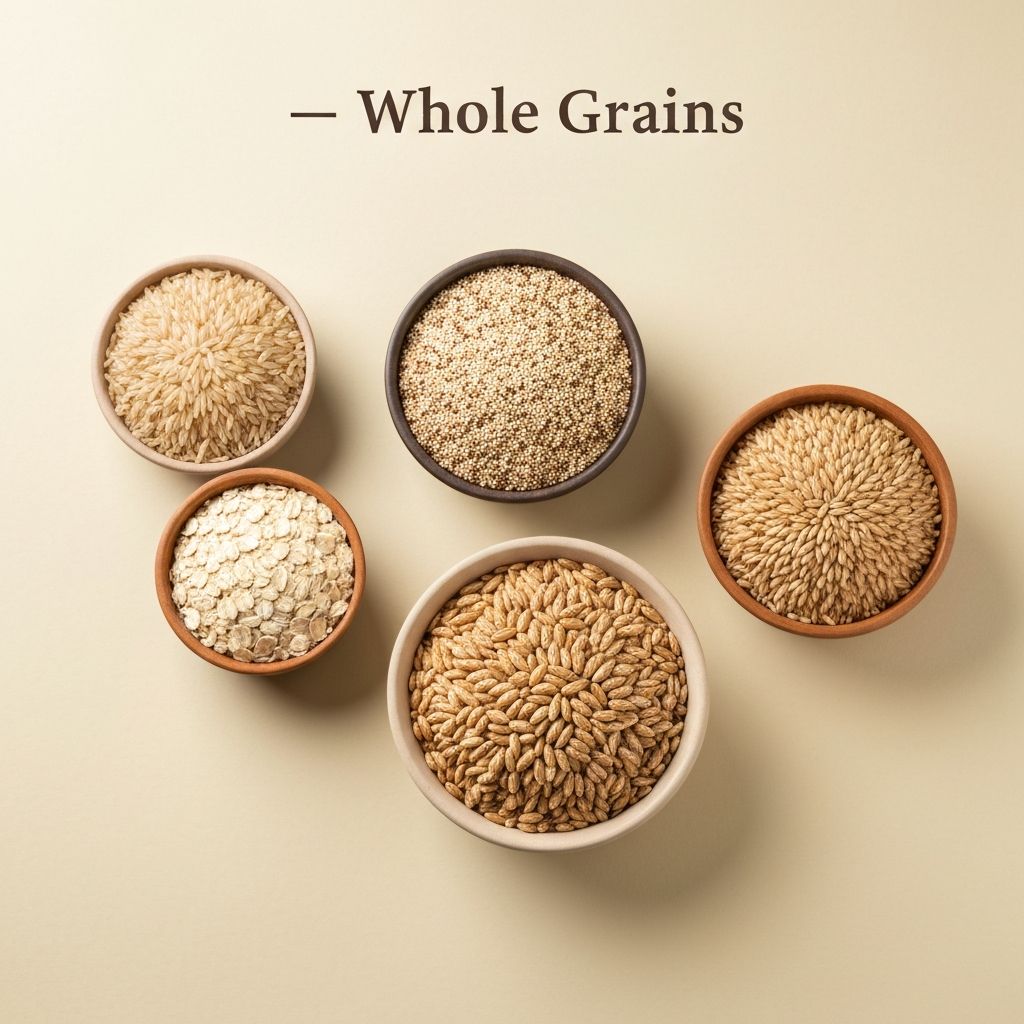
Whole grains

Whole Grains

Whole grains include foods like brown rice, quinoa, oats, and whole wheat. They contain the entire grain kernel and provide fiber, B vitamins, and minerals.

Read more
Berries

Berries

Berries such as blueberries, strawberries, and raspberries are colorful fruits that contain vitamins, fiber, and various plant compounds. They can be eaten fresh or added to various dishes.

Read more

Lifestyle and Activity Considerations

Active lifestyle

Physical activity is often discussed alongside nutrition as part of overall lifestyle patterns. Different types of activity, from walking to more vigorous exercise, are associated with different energy expenditure levels.

People who engage in regular physical activity may have different nutritional needs compared to those who are more sedentary. These differences can relate to overall energy intake, timing of meals, and specific nutrient considerations.

The relationship between activity and nutrition is complex and varies widely between individuals based on the type, intensity, and duration of activity they engage in.

Common Nutrition Myths

Myth: All fats are unhealthy

Reality: Dietary fats are essential nutrients. Different types of fats have different properties, and some fats found in foods like nuts, avocados, and fish are considered beneficial components of a balanced diet.

Myth: Carbohydrates should be avoided

Reality: Carbohydrates are a primary energy source. While individual needs vary, carbohydrates from whole grains, fruits, and vegetables provide energy along with fiber and various nutrients.

Myth: Eating late causes weight gain

Reality: Total daily energy intake relative to energy expenditure is more relevant than the specific timing of meals. Meal timing preferences vary widely between individuals.

Myth: Supplements replace a balanced diet

Reality: While supplements may be appropriate in certain situations, they do not replicate the complex nutritional profile of whole foods, which contain various nutrients and compounds that work together.

Understanding Balanced Nutrition

Balanced meal portions

Visual representations of balanced meals often show a variety of food groups in different proportions. While these guides are educational tools, actual nutritional needs are highly individual.

A balanced approach to eating typically involves consuming a variety of foods from different food groups over time, providing a range of nutrients that support bodily functions.

Science-Backed Nutrition Facts

Fiber and Digestive Health

Dietary fiber, found in plant foods, plays a role in digestive health. It is found in foods such as whole grains, vegetables, fruits, and legumes. Different types of fiber have different properties.

Protein Synthesis

Protein synthesis is a biological process where cells build new proteins. Dietary protein provides amino acids, which are the building blocks used in this process. This occurs continuously in the body.

Vitamin D and Calcium

Vitamin D plays a role in calcium absorption. Both nutrients are associated with bone health. Vitamin D can be obtained from certain foods and is also produced by the skin when exposed to sunlight.

Omega-3 Fatty Acids

Omega-3 fatty acids are a type of polyunsaturated fat found in foods like fatty fish, flaxseeds, and walnuts. They are considered essential fatty acids because the body cannot produce them independently.

Limitations and Context

Educational Information Only

This website provides general educational information about daily nutrition concepts. The content is not intended as personal advice or recommendations for specific individuals.

Nutritional needs vary widely based on age, health status, activity level, personal goals, and many other factors. What is suitable for one person may not be appropriate for another.

The information presented here describes general nutrition principles and should not replace personalized guidance from qualified professionals when individual advice is needed.

There are many different approaches to nutrition and lifestyle, and individuals make their own choices based on their unique circumstances and preferences.

Continue Learning

Explore more educational content about daily nutrition and lifestyle habits.

Learn more about daily nutrition

Additional Resources

Educational resources

For those interested in learning more about nutrition science, numerous educational resources are available including scientific publications, textbooks, and reputable health organizations websites.

Government health departments in many countries provide evidence-based nutritional guidelines and educational materials for public reference.

Academic institutions and research centers regularly publish studies on nutrition and health topics in peer-reviewed journals, contributing to the evolving understanding of nutritional science.